With four million trips taken daily on Rome’s ATAC network, the public transport operator is taking extra measures to ensure that its revenue is not affected by fare evasion. In the first 7 months of 2019, 2 million 200 thousand passengers were checked (36% more than the same period in 2018), and 134 thousand...
Extra measures to fight fare dodging on Rome’s ATAC public transport network in 2019
Transport for New South Wales takes tougher measures to reduce fare evasion
Since the implementation of the Opal Card in 2012 fare evasion has been in decline but it still cost taxpayers $83m in 2018
Transport for New South Wales (TfNSW) released new fare evasion figures. Reports show that the highest fare evasion rate has been on the Hunter line – at 13.6% over one year, equaling to revenue losses of about $351.000. TfNSW issued $1.4m in fines on this line from June 2018 to May 2018. In total,...
Metrolinx to save 3.75M by tackling fare evasion in 2019-2020
Fare evasion is lower in Canada compared to other parts of the world but a recent report indicates 15M loss yearly
Ontario’s Regional Transportation Agency Metrolinx has recently reported that it aims to save as much as 3.75M in 2019-2020 by taking a stricter stance on fare evasion on its network. This would amount to about 25% reduction in fraudulent incidents. As cited by the agency, most of the incidents happen on the Go Transit system...
Fare evasion costs TfL £100m a year
This figure is almost £15m higher than previous estimates in 2016
Transport for London (TfL) is losing £100m to fare evasion yearly. People skip the fare in a wide range of ways from failing to tap the Oyster card in and out to using fake cards. Consequently, it is the first time the annual loss to fare dodging reaches a three digit number. The last...
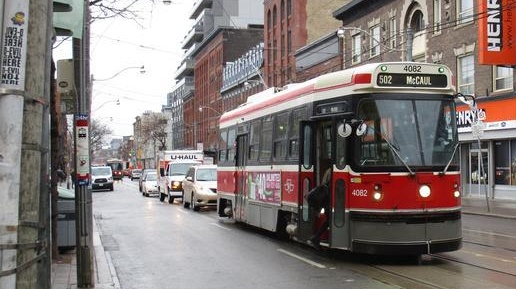
TTC lost $61M to fare evasion in 2018
Auditors general’s report shows fare evasion costed three times more than the Canadian agency previously said and proposes 27 recommendations to fix the situation
Toronto Transit Commission’s prolonged fare evasion issue does not seem to improve. In 2018, TTC lost $61M to fare evasion, according to Toronto’s auditor general report. This figure implies 5.4% of total passengers skipped the fare. It also triples the estimate the agency has consistently defended over time. The bus is the public transport...
Fare evasion prosecutions fall 96% in New York
Despite the decrease in arrests, fare evasion is still high and costed MTA $215 million in 2018
In February 2018, New York’s District Attorney Office introduced a new policy which decriminalized fare evasion by shifting from court citations to administrative fines. The objective was to “reduce inequality and unnecessary incarceration” for skipping a fare of $2.75 at Metropolitan Transport Authority (MTA). A year later, statistics show a drop of 96% fare...
Rise in victims for fare evading in Bogotá
During 2018, 13 people died trying to skip the fare at TransMilenio
Fare evasion is not only a matter of public transport economic sustainability, but also of safety and security. In some networks, skipping the fare can be a very dangerous act and can even cause victims. This is the case of the public bus system TransMilenio in Bogotá, where fare dodgers climb the walls and...
More transit inspection to combat fare evasion at TTC
The transport agency also suggests a 10% fare hike to meet capital needs and sustain operations
Toronto Transit Commission (TTC) is estimated to lose $50 million annually to fare evasion. An internal report made public a year ago suggested that the fare evasion rate was 4.4% instead of the official 2% figure. It also stated that a 2% reduction of this rate would save the agency more than $29 million...
Punishment-free fare evasion in Berlin?
Investigation and punishment of fare evasion is “a waste of resources” according to the city’s Attorney-General
Decriminalizing fare evasion in public transport is becoming a tendency. Many cities in the United States have recently moved from court citations to administrative fines to speed up the judicial process. Now, Berlin suggests switching to a fully punishment-free system. Currently, fare evasion is a crime with potentially significant consequences such as large fines...
Technology upgrade to solve Opal card loophole at Sydney Airport
As of January 7th, 2019 passengers traveling to the airport station must top up their cards to a minimum $35 before boarding the trains
Australia’s Transport for New South Wales (TfNSW) has announced that all passengers travelling to and from Sydney’s Airport station are required to top up their Opal cards to a minimum $35 as of January 7, 2019. This solution is to prevent revenue losses caused by a loophole which allowed passengers to travel with negative...