Nice Reactivated Fare Gates and Boosted Staffing to Combat Fare Evasion
Lignes d’Azur implemented a comprehensive plan to counteract an annual loss of 5 million euros due to fare fraud.
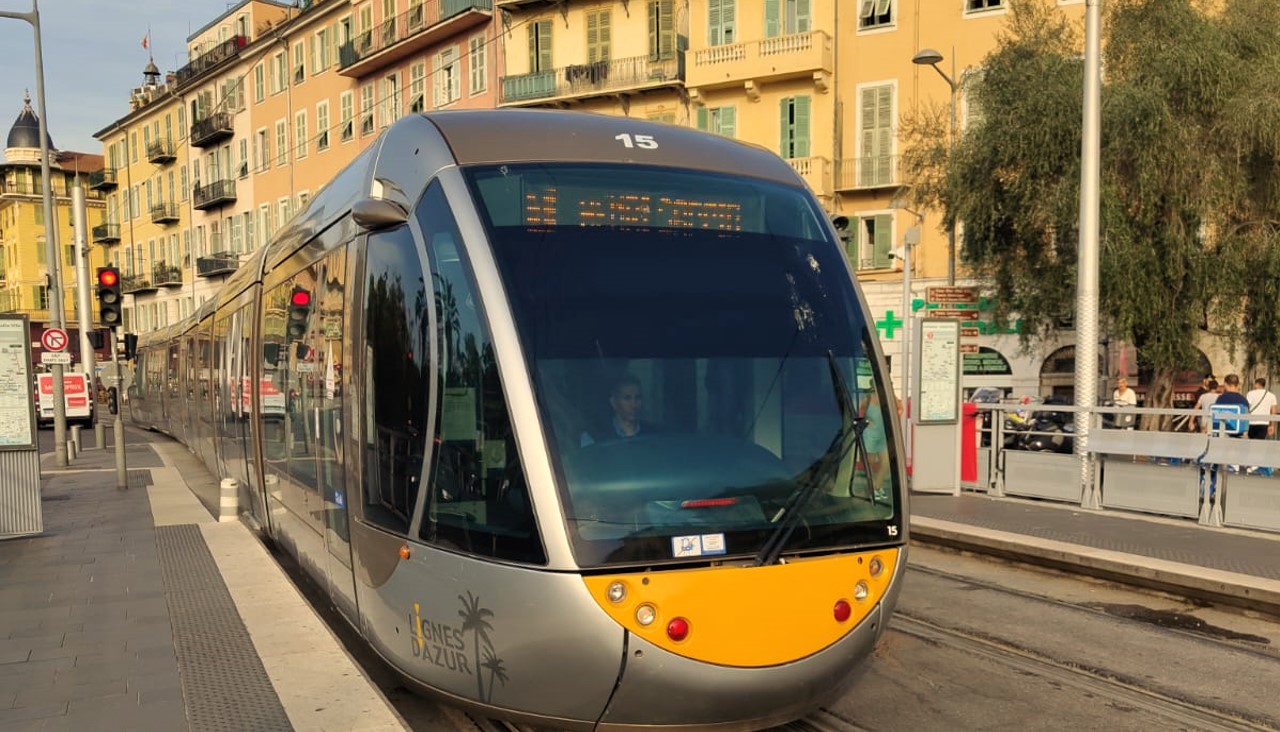
Niza tram © AWAAIT

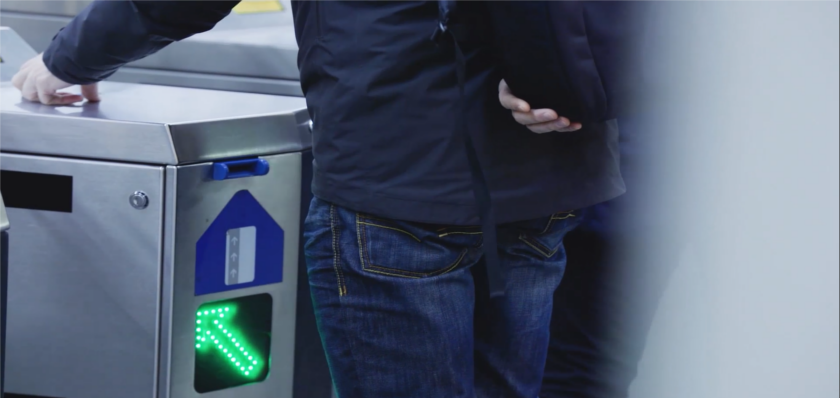
The fare gates at Nice’s underground tramway stations have been reactivated after being previously disabled for the COVID-19 crisis due to safety concerns about passenger proximity. Last month, Gal Nofri, the president of Lignes d’Azur, announced this as one of several initiatives to combat fare evasion. This fraud reportedly results in an annual loss...

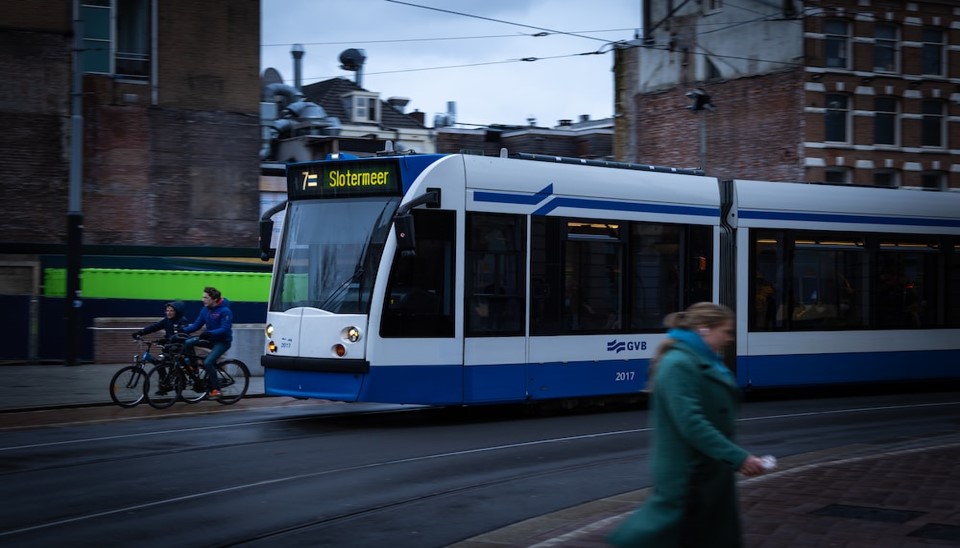
Fare Dodging in Amsterdam: A Troubling Rise
Amsterdam's GVB reports a 50% increase in fare evasion since the pandemic, launching a campaign to tackle the issue.

Amsterdam tram © Rico Schwab / Unsplash

Since the start of the pandemic in 2019, fare evasion on Amsterdam’s public transportation has increased by 50%, reports the city’s transportation provider, GVB. In 2022, 4.5% of passengers on trams without conductors were found riding without tickets; similar increases were seen on metros, buses, and trams with conductors.  The problem, according to the...

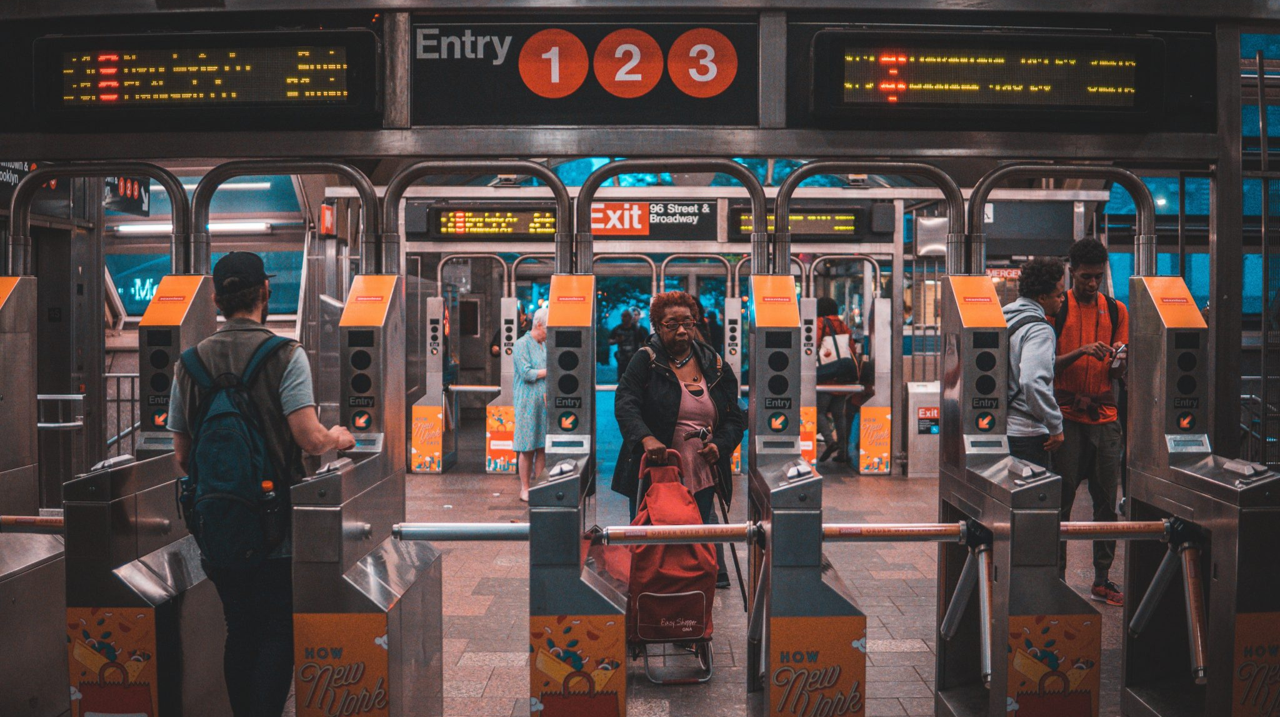
NYC Subway Measures Fare Evasion Using AI
MTA chooses AWAAIT's AI-technology for subway fare evasion monitoring

NYC Turnstiles © Asael Peña / Unsplash

The Metropolitan Transportation Authority (MTA), which operates New York City’s subway, has started employing artificial intelligence (AI) to combat the growing issue of fare evasion, a problem that costs the city hundreds of millions each year.  The AI surveillance software, created by the Barcelona-based company AWAAIT, has been in use in seven subway stations...

MTR’s Response to Fare Evasion: Increased Penalties and Inspections
Over 600 Cases Identified in a Week, Including Misuse of the Government's Discount

20230714_TF_MTR_MeasuresFareEavsion Midjourney image promped by AWAAIT

In Hong Kong, A citywide campaign against fare evasion has been started by the MTR Corporation in coordination with the Transport Department. Between June 25 and July 3, they reported 671 occurrences of ticket evasion, 89 of which involved the abuse of the government’s $2 travel discount program.  To reduce fare evasion, the MTR...

MTA’s New Approach to Fare Evasion: A Focus on Education, Equity, Environment, and Enforcement
The Four E's of MTA's Anti-Fare Evasion Strategy Unveiled in the Blue-Ribbon Panel's Inaugural Report

MTA's Anti-Fare Evasion Strategy NYC subway Midjourney image promped by AWAAIT

The Metropolitan Transportation Authority (MTA) Blue-Ribbon Panel on Fare Evasion released its first report, outlining a number of proposed improvements, during a press conference on May 17th. The report was intended to address the growing issue of fare evasion. The report notably devotes four pages (55–64) to discussing four areas where the MTA intends...

MTA’s Pioneering Methodologies to Measure Fare Evasion
The synthesis of traditional surveys and state-of-the-art technology creates a robust blueprint for fare evasion measurement

Mearuring fare evasion in Public Transport Midjourney image promped by AWAAIT

On May 17, the Blue-Ribbon Panel for Fare Evasion of the Metropolitan Transportation Authority (MTA) issued a report detailing the problem and outlining its two methods for measuring it. According to the most recent data, a concerning pattern has emerged: fare evasion rates increased significantly from pre-pandemic levels of 3 to 6% to 13.5%...

The Challenge of Measuring Fraud in Public Transport
Methods, Limitations and the Assistance of AI

The Challenge of Measuring Fraud in Public Transport, Transit, Fare Evasion, AI, video analytics Midjourney image prompted by AWAAIT

Challenges in Measuring Fare Evasion Fraud in public transportation is a major issue that causes significant financial and operational challenges for public transport operators. However, accurately measuring the extent of fare evasion is a challenging task, as current methods of measuring fare evasion have significant limitations. The good news is that artificial intelligence (AI)...

Increased fare evasion rates during the pandemic
Data from an ongoing study reveals that fare infractions might rise even more post-lockdown unless preventive measures are taken in time

Fake cards are hacked original tickets EL SOTANO PHOTO http://www.elsotanophoto.com/

The past months have been a challenging time for public transport due to Covid-19. Many transit workers lost their lives, ridership plummeted to record levels, and revenues from fare collection dropped massively. Fare evasion might be one a small problem for transit at the moment, but is it one to be completely ignored? Our...

Safety in public transport: social distancing vs face masks
Social distancing is much harder to implement post-lockdown than asking passengers to wear face masks yet it is regarded by the majority of authorities as a key measure in stopping Covid19

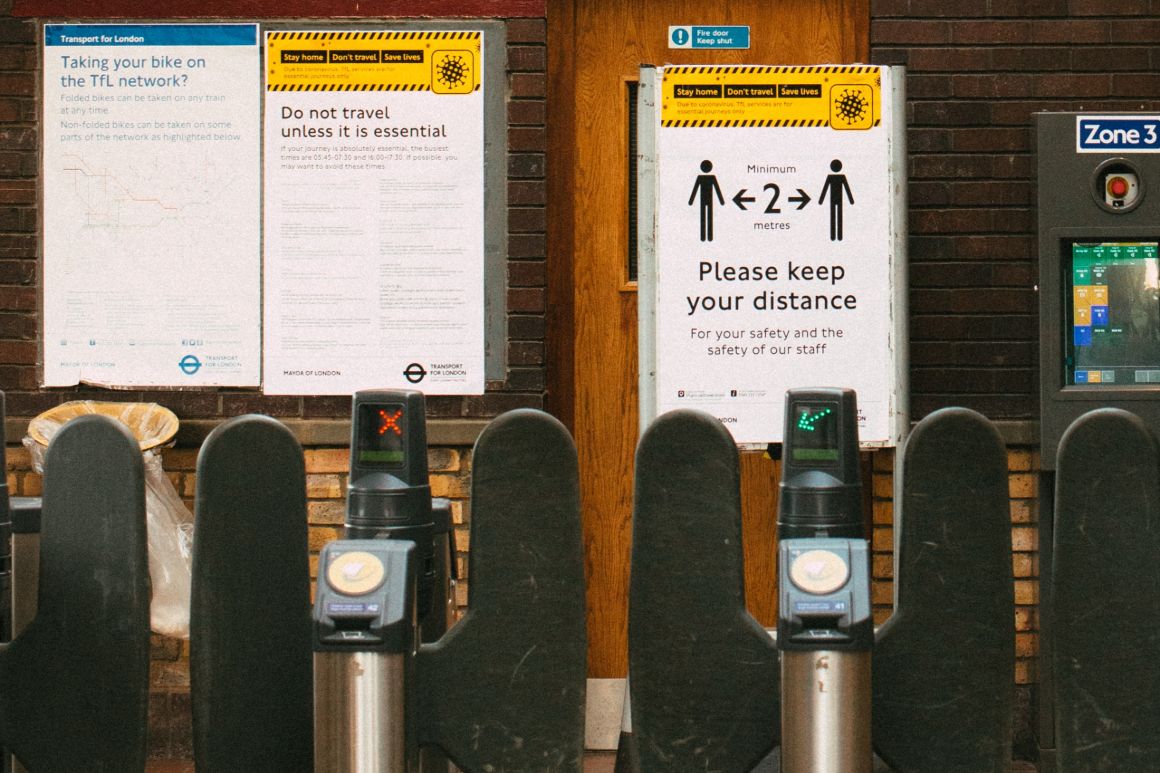
London Tube

Authorities and public transit organisations have yet to agree on the best way forward to revive public transport while ensuring safety from Covid-19. So far it looks like most decision makers consent on the measure of wearing face masks. These are now obligatory in public transport in countries like Germany, China, and Spain. However,...

Mobility apps reveal user public transit data during Covid-19
Moovit, Citymapper, Transit, Apple and Google confirm similar trends albeit with some variations

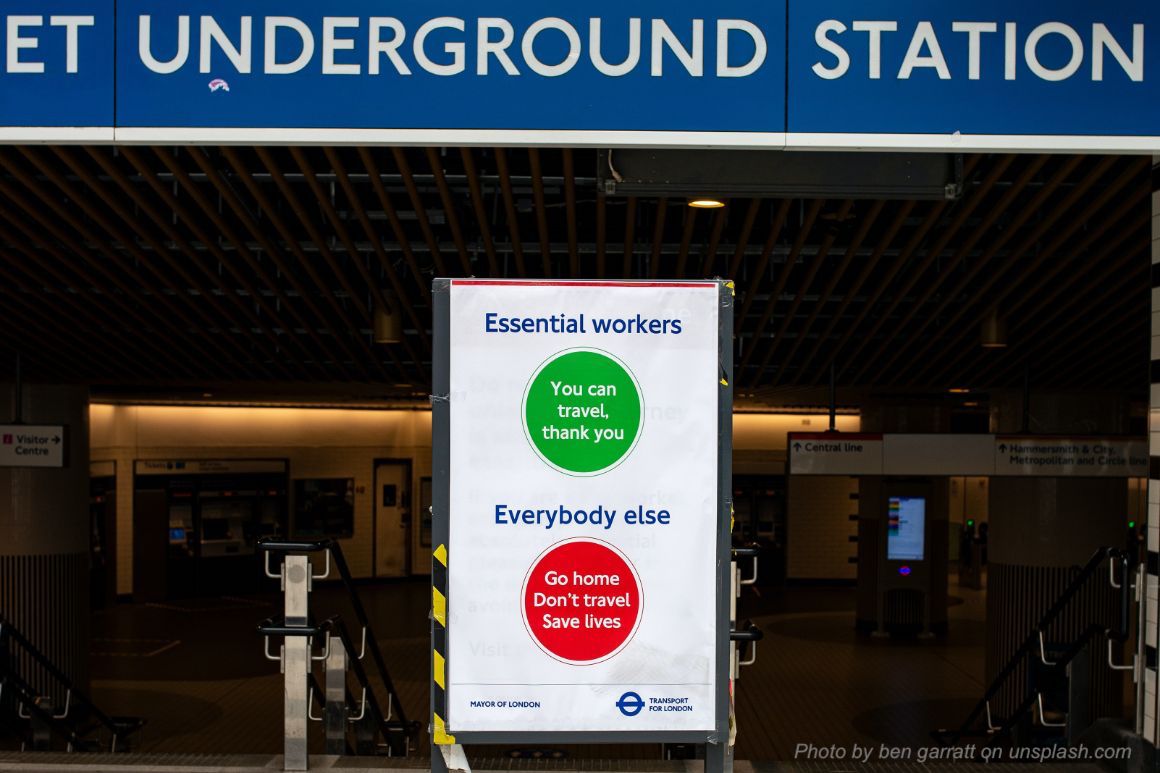
coronavirus_public_transport_ben-garratt-Q2TgE-vSdmg-unsplash (1)

Demand for public transport fell to record lows in the past months as the Coronavirus swept through communities around the world. Ridership fell from 65% to less than 10% of normal capacity, and transit organisations adapted their schedules and service frequency to reflect demand. We looked at the data from several urban mobility apps...